


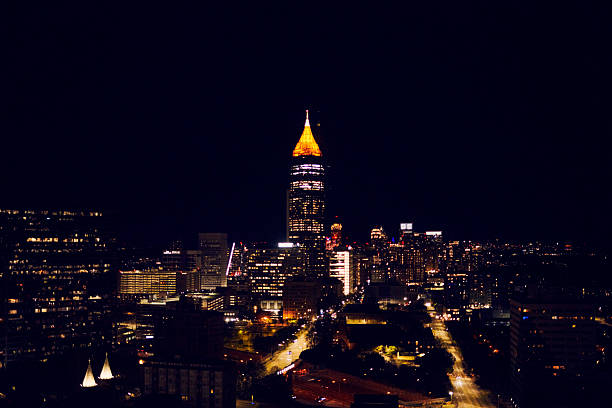
In the golden era of professional wrestling, the atmosphere of a television set was just as vital as the maneuvers performed inside the ring. Among the many aesthetic choices that defined the 1990s, the Wcw atlanta skyline city lights theme stands as one of the most recognizable and nostalgic visual motifs in the history of the sport. It wasn’t merely a piece of scenery; it was a character in itself, representing the heartbeat of World Championship Wrestling (WCW) and its deep-rooted connection to the city of Atlanta.
From the grainy broadcasts of WCW Saturday Night to the explosive pyrotechnics of Monday Nitro, the shimmering silhouette of the Georgia capital provided a backdrop that felt both prestigious and gritty. This article explores the evolution, technical design, and cultural significance of the Wcw atlanta skyline city lights theme, detailing why this specific look remains a gold standard for wrestling production design decades later.
The Historical Significance of the Wcw Atlanta Skyline City Lights Theme
To understand why the Wcw atlanta skyline city lights theme resonates so deeply with fans, one must look at the geography of wrestling power in the 20th century. For decades, the National Wrestling Alliance (NWA) and later WCW were anchored in the South, with Atlanta serving as the “Mothership.”
When Ted Turner acquired the promotion, there was a concerted effort to move away from the look of smoke-filled armories and into a more professional, “television-ready” environment. The decision to incorporate the Atlanta skyline into the set design was a strategic branding move. It signaled to the audience that WCW was a “major league” player, standing tall alongside the skyscrapers of a booming American metropolis.
Designing the Atmosphere: How the Theme Came to Life
The technical execution of the Wcw atlanta skyline city lights theme was a feat of practical set design. In an era before massive LED walls and CGI overlays, production teams had to rely on tangible materials and creative lighting to build a sense of scale.
-
The Physical Backdrop: The set featured a large, custom-painted or cut-out “scrim” that depicted the distinct silhouette of Midtown and Downtown Atlanta.
-
Fiber-Optic Magic: To achieve the “city lights” effect, hundreds of tiny fiber-optic cables or small incandescent bulbs were poked through the backdrop. These lights would twinkle or glow steadily, mimicking the windows of high-rise buildings.
-
Color Temperature: Lighting directors often bathed the set in deep magentas, electric blues, and oranges. This created a high-contrast environment that made the colorful wrestling gear of the performers stand out vividly against the dark, urban background.
The Wcw atlanta skyline city lights theme became the visual shorthand for “The Mothership,” the nickname for the Center Stage Theater where WCW Saturday Night was filmed. For many fans, seeing those lights meant that the weekend had officially begun.
The Evolution from Saturday Night to Monday Nitro
As the “Monday Night Wars” began in 1995, the Wcw atlanta skyline city lights theme underwent a transformation. While the original Saturday night show maintained its intimate, studio-based feel, Monday Nitro took the city lights concept to a national touring level.
The Nitro set was famous for its metallic, industrial look, featuring the “Nitro Grill” and massive steel structures. However, the essence of the Wcw atlanta skyline city lights theme was preserved in the show’s graphics package. The opening credits often featured high-speed flyovers of the Atlanta skyline, blending the real-world city with the high-octane energy of the wrestling product. This fusion of reality and entertainment helped WCW briefly surpass the WWF in the ratings, as it felt more “current” and “urban” than the competition.
Cultural Iconography: Why Atlanta?
Atlanta wasn’t just a filming location; it was the identity of the company. The Wcw atlanta skyline city lights theme featured specific landmarks that locals and frequent visitors could easily identify:
-
The Westin Peachtree Plaza: The iconic cylindrical glass skyscraper was often the centerpiece of the silhouette.
-
The Georgia Dome: As WCW grew, the city lights expanded to include the massive venues where they broke attendance records, such as the 1998 Nitro where Goldberg defeated Hulk Hogan.
By using the Wcw atlanta skyline city lights theme, WCW honored its fans in the Southeast while presenting a sophisticated image to the rest of the world. It was a visual bridge between the old-school wrestling territories and the modern era of sports entertainment.
The Technical Challenges of 90s Television Production
Maintaining the Wcw atlanta skyline city lights theme required constant attention from the “roadies” and set designers. Unlike today’s digital sets that can be loaded from a thumb drive, the WCW backdrops were heavy, physical assets that had to be transported and meticulously rigged.
-
Lighting Consistency: Ensuring the “windows” of the skyline didn’t burn out mid-broadcast was a constant struggle.
-
Depth of Field: Camera operators had to balance the focus so that the wrestlers were sharp while the Wcw atlanta skyline city lights theme remained a soft, atmospheric blur in the background, a technique known as “bokeh” that gave the show a cinematic quality.
The Nostalgia Factor in Modern Wrestling
Today, we see a massive resurgence in the popularity of the Wcw atlanta skyline city lights theme. Modern promotions like All Elite Wrestling (AEW) have frequently utilized “retro” themes for their Atlanta shows, specifically mimicking the font and the glowing skyline backdrop of the 90s.
Fans collect custom-made posters and digital wallpapers featuring the Wcw atlanta skyline city lights theme because it evokes a time when wrestling felt unpredictable and “cool.” In a world of sterile, overly polished corporate sets, the warmth of those simulated city lights offers a sense of comfort and history.
Conclusion: The Eternal Glow of the City
The Wcw atlanta skyline city lights theme is far more than a footnote in wrestling history. It represents a specific moment in time when production values met regional pride to create something truly magical. It turned a simple wrestling match into an “event” and made the city of Atlanta feel like the center of the universe.
As we look back on the legacy of WCW, the shimmering lights of the skyline remind us that the presentation is just as important as the performance. The Wcw atlanta skyline city lights theme will forever be remembered as the light that guided wrestling into the modern era.
Frequently Asked Questions (FAQs)
1. What is the Wcw atlanta skyline city lights theme?
It refers to the iconic visual set design used by World Championship Wrestling, featuring a nighttime silhouette of the Atlanta skyline with glowing “window” lights. It was most prominently used on WCW Saturday Night and early Monday Nitro.
2. Why did WCW use the Atlanta skyline instead of other cities?
Atlanta was the home base for WCW and Turner Broadcasting. The skyline was a symbol of the company’s roots and its status as a major television powerhouse in the Southern United States.
3. Is the Wcw atlanta skyline city lights theme still used today?
While WCW closed in 2001, the theme is often used for “throwback” events by WWE and AEW to honor the history of wrestling in Atlanta. It is also a popular aesthetic for merchandise and fan art.
4. How did the production team make the lights twinkle?
In the 1990s, this was achieved using fiber-optic lighting kits or small bulbs controlled by a dimmer board, allowing the “city lights” to flicker and create a more realistic nighttime effect.
5. What buildings are visible in the Wcw atlanta skyline city lights theme?
Commonly featured buildings included the Westin Peachtree Plaza, the Georgia-Pacific Tower, and other recognizable skyscrapers from the Atlanta Midtown and Downtown areas as they appeared in the 1990s.
