


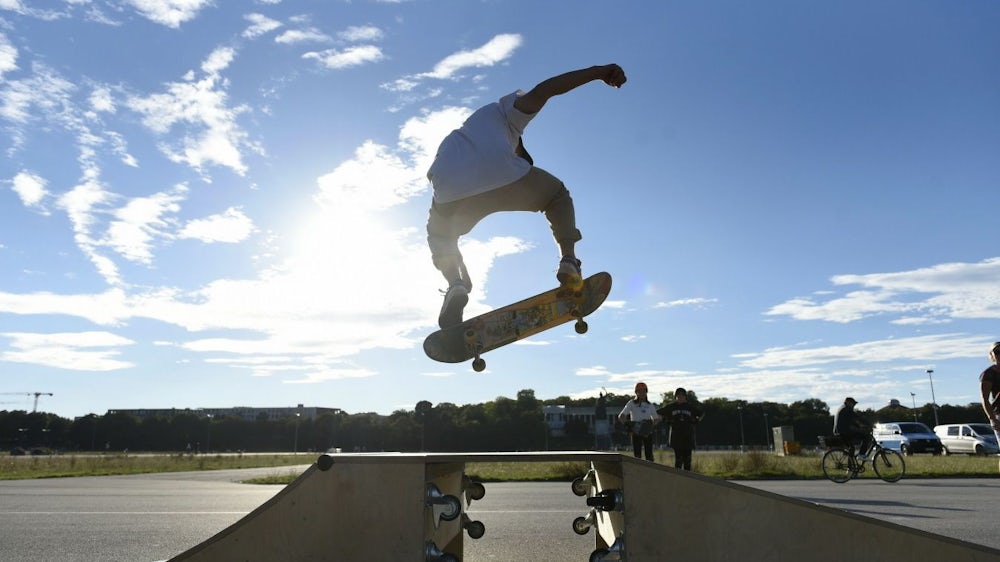
Skateboarding has evolved far beyond its simple wooden-plank-with-wheels origin. Today, there are countless ways to ride, from longboards for cruising to trick-focused traditional decks. Among the most unique and dynamic options is the skateboard variant where you wiggle and twist around, commonly known as a caster board.
This innovative board offers a ride unlike any other. Instead of pushing off the ground with your foot, you propel yourself forward with a twisting, snake-like motion of your hips and legs. This creates a fluid, carving experience that feels like a blend of surfing and snowboarding, all on dry land. For those looking to try something new, this unique board offers a fun, full-body workout and a completely different way to cruise the pavement.
This guide will cover everything you need to know about the skateboard variant where you wiggle and twist around. We’ll explore how it differs from a classic skateboard, the benefits of riding one, and the basic techniques to get you started. We’ll also provide tips on where to buy one and how to stay safe while you master this exciting sport.
What is a Skateboard Variant Where You Wiggle and Twist?
A skateboard variant where you wiggle and twist around, most often called a caster board, is a two-wheeled board that pivots in the middle. Unlike a traditional skateboard with four fixed wheels, a caster board has two separate platforms connected by a flexible torsion bar. Each platform has a single wheel mounted on a caster, which can rotate 360 degrees.
This design is the secret to its unique movement. By twisting your front and back feet in opposite directions, you create a self-propelling S-shaped motion. This allows you to generate and maintain momentum without ever needing to push off the ground. Popular examples of this type of board include the RipStik and the Wave board. Their design provides a distinctive challenge and a rewarding experience for riders of all ages.
How Does it Differ From a Traditional Skateboard?
While both fall under the umbrella of skateboarding, the experience of riding a caster board is fundamentally different from that of a traditional skateboard. Understanding these distinctions can help you decide which style is right for you.
Propulsion and Movement
The most significant difference is how you move.
- Traditional Skateboard: Riders generate speed by pushing off the pavement with one foot. To turn, they lean and apply pressure to the edges of the deck, causing the trucks to pivot.
- Wiggle Skateboard: Propulsion is achieved through a continuous twisting motion. You shift your weight and twist your hips, creating a rhythmic “wiggling” that drives the board forward. This allows you to ride continuously and even go uphill without putting a foot down.
Board Design
The construction of the boards themselves is also distinct.
- Traditional Skateboard: Features a single, rigid wooden deck with two trucks and four wheels. This stable design is ideal for performing tricks like ollies, kickflips, and grinds.
- Wiggle Skateboard: Consists of two separate platforms connected by a torsion bar. This flexible connection allows the two platforms to pivot independently, enabling the unique twisting motion required for propulsion. Each platform has only one caster wheel.
Riding Experience
The feel of riding each board is a world apart. A traditional skateboard offers a sense of stability and direct control, making it a platform for explosive tricks. The skateboard variant where you wiggle and twist around provides a more fluid, carving sensation, similar to surfing or snowboarding. It’s less about high-impact tricks and more about smooth, continuous motion and deep turns.
The Benefits of a Wiggle Skateboard
Why choose a caster board over a classic skateboard? This unique board offers several distinct advantages that appeal to a wide range of riders.
A Full-Body Workout
Riding a skateboard variant where you wiggle and twist around is an excellent form of exercise. The continuous twisting motion engages your core, hips, and leg muscles in a way that traditional skateboarding doesn’t. It’s a low-impact cardiovascular workout that can help improve your balance, coordination, and overall fitness while you’re having fun.
Enhanced Balance and Coordination
Mastering a caster board requires a high degree of balance and body awareness. Because the board is inherently less stable than a four-wheeled skateboard, you must constantly adjust your weight and position. This challenge helps to sharpen your proprioception—your body’s ability to sense its position in space—leading to better balance in all aspects of life.
Portability and Convenience
Caster boards are often lighter and more compact than longboards, making them easier to carry and store. You can easily tuck one under your arm or in a backpack when you’re not riding, making it a convenient option for commuting or simply cruising around your neighborhood.
A Unique and Fun Experience
Ultimately, the biggest benefit is how enjoyable it is to ride. The fluid, carving motion is incredibly satisfying and offers a fresh challenge for seasoned skateboarders and newcomers alike. It’s a different way to experience the world on wheels and a great way to get outside and be active.
Learning to Ride the Skateboard Variant Where You Wiggle and Twist
Getting started on a caster board can be tricky at first, but with a little practice, you’ll be carving in no time. Follow these steps to learn the basic techniques.
1. Finding Your Stance
First, you need to determine your natural stance. If you’ve ever skateboarded, snowboarded, or surfed, you likely already know whether you are “regular” (left foot forward) or “goofy” (right foot forward). If you’re unsure, think about which foot you would instinctively use to kick a ball—that’s probably your back foot.
2. Getting on the Board
Start by placing the board on a flat, smooth surface, like a driveway or an empty parking lot. Holding onto a wall or a friend for support can be very helpful when you’re first starting.
- Place your front foot on the front platform, centering it over the wheel.
- Gently push off the ground with your back foot, just like you would on a traditional skateboard.
- As the board starts to roll, place your back foot on the rear platform, again centered over the wheel.
- Keep your knees bent and your arms out to the sides to help you balance.
3. Mastering the Wiggle
Once you’re balanced on the board, it’s time to learn the propelling motion.
- Start by twisting your hips and feet in opposite directions. Twist your front foot inward while twisting your back foot outward, then reverse the motion.
- Think of it like making an “S” shape with the board on the ground. Your front and back feet should move in a coordinated, rhythmic way.
- Keep your upper body relatively still and let the motion come from your hips and legs.
- Start with small, gentle twists and gradually increase the intensity as you get more comfortable.
4. Turning and Stopping
To turn, simply lean in the direction you want to go, similar to a traditional skateboard. Apply pressure with your toes for a toe-side turn and with your heels for a heel-side turn. The more you lean, the sharper your turn will be.
To stop, the easiest way is to just step off the board. Slow down by reducing your wiggling motion, and then carefully step off one foot at a time. More advanced riders can learn to perform a sharp carving turn to scrub off speed.
Where to Buy a Wiggle Skateboard
The skateboard variant where you wiggle and twist around is available from several retailers, both online and in physical stores.
- Sporting Goods Stores: Large chains like Dick’s Sporting Goods or Big 5 often carry popular caster board models like the RipStik.
- Skate Shops: Your local skate shop might have a selection of caster boards or be able to order one for you. Supporting local shops is a great way to connect with the local skate community.
- Online Retailers: Websites like Amazon, Walmart, and the official Razor website offer a wide variety of models, colors, and price points. Reading customer reviews can help you choose the best board for your needs.
When choosing a board, consider factors like the rider’s weight limit, the quality of the wheels and bearings, and the flexibility of the torsion bar.
Essential Safety Tips
As with any wheeled sport, safety should always be your top priority.
- Wear a Helmet: This is non-negotiable. A certified helmet can protect you from serious head injuries.
- Use Protective Gear: Wrist guards, elbow pads, and knee pads are highly recommended, especially while you’re learning. Falls are a part of the process, and pads will help you get back up and try again.
- Choose a Safe Location: Practice in a smooth, flat, open area away from traffic, like an empty parking lot or a basketball court. Avoid steep hills and crowded areas until you are confident in your ability to control the board.
- Check Your Board: Before each ride, inspect your board for any loose parts or damage. Make sure the wheels spin freely and the torsion bar is in good condition.
Ride the Wave of a New Skateboarding Style
The skateboard variant where you wiggle and twist around offers a refreshing and dynamic alternative to traditional skateboarding. Its unique propulsion system provides a great workout, improves balance, and delivers a riding experience that feels like carving waves on concrete.
Whether you’re a seasoned skater looking for a new challenge or a complete beginner eager to try something different, the caster board is a fantastic choice. It combines fitness and fun in a way that few other activities can. So grab a helmet, find a smooth patch of pavement, and get ready to discover the joy of the wiggle.
