


Introduction: Why the Single Leg RDL Deserves Attention
Most people are familiar with Single leg rdl benefits classic lifts like squats, bench presses, or conventional deadlifts. While these exercises are fantastic for building muscle, many overlook movements that provide equally powerful results—sometimes with even greater functional value. One such underrated gem is the single leg Romanian deadlift (RDL).
This exercise may not look as glamorous as loading a heavy barbell, but the single leg RDL benefits extend far beyond appearance. From enhancing lower-body strength and mobility to improving stability and athletic performance, this exercise is a game-changer. In this article, we’ll take a deep dive into why the single leg RDL should be part of your training, how to perform it correctly, and the unique advantages it brings to different populations.
What Is the Single Leg RDL?
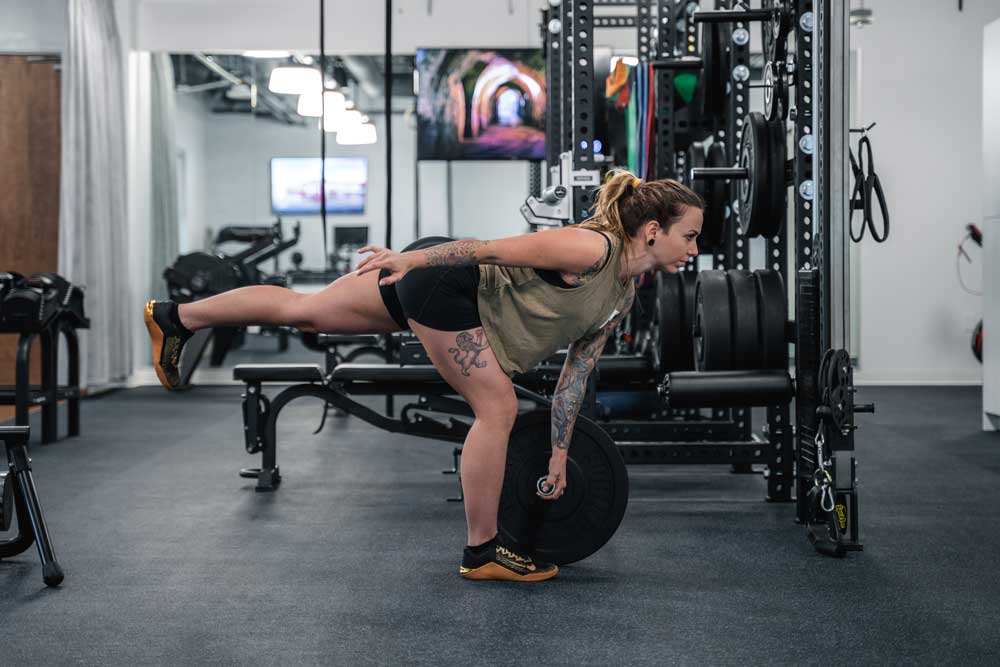
The single leg RDL is a unilateral hinge movement. Unlike traditional deadlifts where both feet remain planted, this exercise challenges one leg at a time.
Here’s a breakdown of the movement:
-
Stand tall with a soft bend in your knees.
-
Shift your body weight to one leg while the other leg lifts slightly behind you.
-
Hinge forward at the hips, keeping your back straight and chest open.
-
Extend the non-working leg backward as your torso moves forward, creating a “seesaw” effect.
-
Drive through the grounded heel to return to the starting position.
The motion may be performed with bodyweight, dumbbells, kettlebells, or even a barbell. Despite its simplicity, this movement engages a wide range of muscles and builds functional strength that translates directly to real-life activities.
Single Leg RDL Benefits Explained
1. Posterior Chain Development
One of the primary single leg RDL benefits is its direct impact on the posterior chain—the glutes, hamstrings, and lower back. These muscles are crucial for power, athletic performance, and everyday movement. Because the exercise isolates each leg, it ensures balanced growth and prevents one side from dominating, something that often happens in bilateral lifts.
2. Balance and Coordination
Standing on one leg forces your body to engage stabilizing muscles in your core, hips, and ankles. Over time, this improves balance and neuromuscular coordination, which is valuable not only for athletes but also for older adults looking to reduce the risk of falls.
3. Core Engagement
Unlike traditional core exercises that focus on crunching or twisting, the single leg RDL trains the core dynamically. The abdominals, obliques, and spinal stabilizers must all fire to maintain alignment and resist rotation, making it one of the best functional core exercises available.
4. Hip Mobility and Stability
Another overlooked benefit of the single leg RDL is improved hip mobility. The deep hinge encourages greater flexibility and range of motion in the hip joint. At the same time, the exercise teaches stability by forcing the hip to remain aligned throughout the movement.
5. Injury Prevention
Weak glutes and hamstrings are common contributors to knee and lower back pain. The single leg RDL strengthens these areas while also improving joint stability, helping to reduce the likelihood of injuries such as ACL tears, hamstring strains, and lower-back issues.
6. Enhanced Athletic Performance
For athletes, the single leg RDL is a goldmine. It improves sprinting speed, jumping ability, and agility by strengthening the muscles responsible for explosive movements. Since many sports involve single-leg actions—think running, cutting, or kicking—the exercise is directly applicable to athletic performance.
7. Corrects Imbalances
Unilateral training exposes weaknesses that bilateral exercises often hide. If one leg is stronger, the single leg RDL will highlight the imbalance, giving you the chance to address it before it leads to compensatory patterns or injuries.
8. Functional Everyday Strength
Whether it’s lifting a box from the ground, carrying groceries, or climbing stairs, functional strength is vital. The single leg RDL mirrors many natural movements, making daily tasks easier and safer.
9. Improves Mind-Muscle Connection
The focus and control required for this exercise improve your ability to connect mentally with your muscles. This heightened awareness carries over into other lifts, improving overall training quality.
How to Perform the Single Leg RDL Safely
To maximize single leg RDL benefits, correct form is essential:
-
Keep a neutral spine: Avoid rounding your back.
-
Hinge at the hips, not the waist: This ensures the glutes and hamstrings are doing the work.
-
Maintain soft knees: A slight bend reduces stress on the joints.
-
Square your hips: Don’t let one hip rotate upward.
-
Control the tempo: Slow, controlled reps are more effective than rushing.
Variations to Amplify Benefits
To keep progress steady and prevent plateaus, try these variations:
-
Dumbbell Single Leg RDL: Perfect for progressive overload.
-
Barbell Single Leg RDL: An advanced option for strength athletes.
-
Kettlebell Pass-Through RDL: Hold a kettlebell and pass it between hands as you hinge, adding a balance challenge.
-
Deficit RDL: Stand on a small platform for an extended range of motion.
-
Assisted RDL: Hold onto a wall or stick to build confidence with balance.
Single Leg RDL vs. Traditional Deadlifts
While both movements target the posterior chain, their focus differs:
-
Traditional Deadlift: Prioritizes maximal strength, heavy loading, and overall muscle mass.
-
Single Leg RDL: Prioritizes unilateral strength, balance, mobility, and functional athleticism.
The best approach is not to replace one with the other but to combine them for a well-rounded lower-body training program.
Who Can Benefit the Most?
The beauty of this movement is that it suits nearly everyone:
-
Athletes: For agility, power, and injury prevention.
-
Fitness Enthusiasts: For aesthetics, strength, and variety.
-
Older Adults: For balance, stability, and fall prevention.
-
Rehabilitation Patients: Under supervision, it’s great for rebuilding strength post-injury.
Common Mistakes to Avoid
-
Using excessive weight before mastering form
-
Allowing the back to round
-
Locking out the standing knee
-
Letting hips rotate outward
-
Rushing through reps instead of controlling them
Programming: How to Incorporate Single Leg RDLs
For best results, consider:
-
Beginners: 2–3 sets of 8–10 reps per leg, 1–2 times per week.
-
Intermediate/Advanced: 3–4 sets of 10–12 reps, 2–3 times per week.
-
Athletes: Include as an accessory lift after squats or heavy pulls.
Progression should be gradual, focusing first on balance and technique before adding heavier weights.
FAQs on Single Leg RDL Benefits
1. Is this exercise beginner-friendly?
Yes—start with bodyweight before adding weights.
2. Can it replace squats or deadlifts?
It’s not a replacement, but a complement. It addresses weaknesses that bilateral lifts can’t.
3. How long before I see results?
Balance and coordination often improve within weeks. Strength gains appear with consistent training over 4–8 weeks.
4. Do I need equipment?
No. While weights increase intensity, bodyweight alone can still provide significant benefits.
Conclusion: Why the Single Leg RDL Should Be in Your Routine
The single leg RDL benefits make it one of the most valuable movements in strength training. By targeting the posterior chain, improving balance, correcting imbalances, and boosting functional strength, it offers far more than just muscle growth. Whether you’re an athlete striving for performance, a gym-goer looking to build strength, or someone focused on long-term health and injury prevention, this exercise deserves a permanent spot in your training plan.
Take the time to learn proper form, progress gradually, and enjoy the transformative effects of the single leg RDL on your body and performance.
