


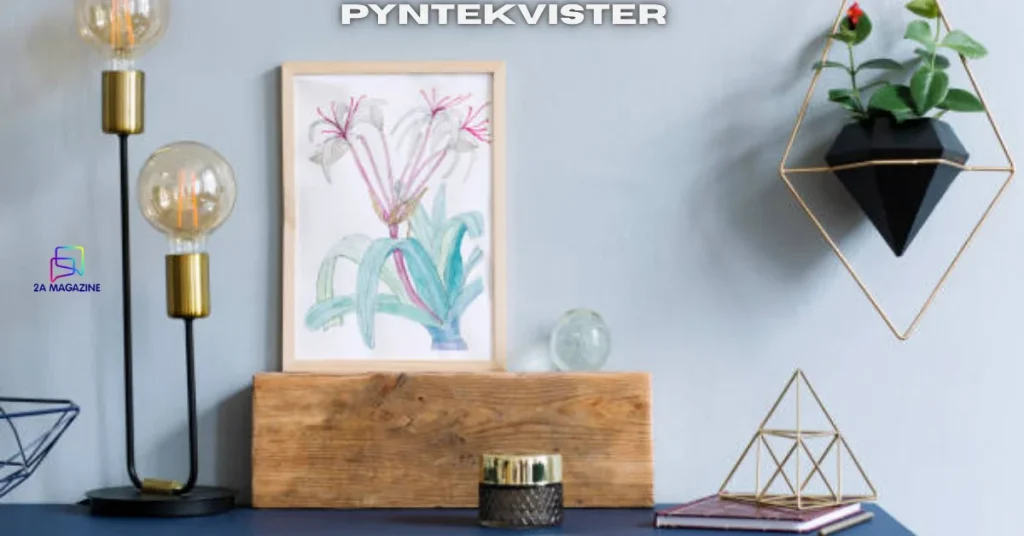
In the world of gardening and interior decoration, Pyntekvister have become an essential element for adding elegance and structure. These slender, decorative branches offer more than just visual appeal—they enhance the functionality of gardens, floral arrangements, and even indoor spaces. Whether you are a gardening enthusiast or a professional landscaper, understanding Pyntekvister can help you maximize your design potential while maintaining a natural, eco-friendly approach.
Understanding Pyntekvister
The term Pyntekvister refers to carefully selected branches used for decorative purposes. Unlike ordinary garden branches, these are chosen for their shape, texture, and ability to complement various styles, from rustic gardens to modern interiors.
Characteristics of Pyntekvister:
-
Elegant and naturally attractive
-
Lightweight yet sturdy
-
Suitable for both indoor and outdoor use
-
Adds texture, height, and dimension to arrangements
Popular Types of Pyntekvister
There are several varieties of Pyntekvister, each with unique properties suitable for different applications:
-
Willow Branches
Flexible and bendable, willow branches are perfect for creative garden structures such as arches, trellises, and woven fences. -
Birch Branches
Birch branches have smooth, light-colored bark, ideal for minimalist and modern decorative arrangements. -
Cherry Branches
These branches often have vibrant hues and blossoms, making them excellent for seasonal displays and indoor décor. -
Evergreen Branches
Retaining their color year-round, evergreen Pyntekvister are excellent for winter decoration and long-lasting garden accents.
Uses of Pyntekvister in Gardening
Pyntekvister are versatile tools that enhance both the aesthetic and functional aspects of gardens:
-
Natural Borders: Define flower beds, paths, or vegetable plots using decorative branches.
-
Plant Support: Provide natural support for climbing plants and vines.
-
Erosion Control: Strategically placed branches can help stabilize soil and reduce erosion on slopes.
-
Garden Art: Create focal points or sculptures using creatively arranged branches.
Using Pyntekvister Indoors
Beyond gardens, Pyntekvister are increasingly popular for interior decoration:
-
Vases and Containers: Small Pyntekvister add elegance to tables, shelves, and mantels.
-
Wall Decorations: Arranged artistically on walls, they bring a natural, organic feel to rooms.
-
Seasonal Displays: Painted or adorned branches can enhance festive decorations during holidays.
-
Hanging Installations: Suspended branches create unique three-dimensional décor elements.
How to Choose the Right Pyntekvister
Selecting the most suitable Pyntekvister depends on your intended use and aesthetic preference:
-
Branch Type: Choose according to flexibility, color, and texture that match your garden or interior theme.
-
Health and Quality: Look for branches free of pests, diseases, or dry rot.
-
Length and Thickness: Longer branches are ideal for arches or trellises; smaller ones are better for indoor arrangements.
-
Visual Appeal: Consider natural patterns, color contrasts, and unique shapes to complement your design.
Planting and Maintenance Tips
Growing your own Pyntekvister is a rewarding way to ensure a steady supply:
-
Soil Requirements: Use well-draining soil enriched with organic matter. Moisture-loving branches like willow thrive in wetter areas.
-
Planting Technique: Insert cuttings at an angle to promote root growth and stability.
-
Watering: Maintain consistent moisture during the initial growth stage.
-
Pruning: Regular trimming ensures healthy growth and maintains a neat appearance.
-
Seasonal Care: Protect branches from harsh weather with mulch or other coverings to prevent damage.
Creative Ideas for Pyntekvister
To make the most of Pyntekvister, consider these innovative uses:
-
DIY Garden Sculptures: Bend and weave branches into creative shapes for an artistic touch.
-
Floral Enhancements: Add height and texture to bouquets or potted plants.
-
Indoor Minimalism: Use a single branch in a vase to create a striking minimalist statement.
-
Natural Room Dividers: Combine multiple branches to form eco-friendly partitions.
Eco-Friendly Advantages
Using Pyntekvister supports sustainable and environmentally conscious gardening:
-
They are biodegradable and reduce dependence on synthetic materials.
-
Promote recycling of plant cuttings that would otherwise be discarded.
-
Locally sourced branches minimize carbon footprint.
-
Encourage biodiversity by incorporating natural materials into your space.
Common Mistakes to Avoid
Even with versatile Pyntekvister, gardeners often make avoidable errors:
-
Overcrowding: Too many branches can overwhelm the design.
-
Ignoring Growth Patterns: Live branches may continue to grow and need ongoing management.
-
Wrong Placement: Not considering sunlight or soil conditions may hinder branch longevity.
-
Neglecting Maintenance: Pruning and care are essential for lasting beauty.
Conclusion
Pyntekvister are more than just decorative elements—they are versatile tools that combine beauty, functionality, and sustainability. From natural garden borders to indoor design accents, these branches offer countless possibilities to enhance any environment. By selecting the right type, caring for them properly, and creatively integrating them into your spaces, you can transform ordinary areas into visually stunning, eco-friendly showcases. Embracing Pyntekvister is not only a nod to natural elegance but also a practical step toward sustainable and innovative gardening and décor.
FAQs About Pyntekvister
1. How do I use Pyntekvister indoors without making a mess?
Place them in stable vases or containers filled with sand or stones to keep them upright and prevent scattering.
2. Can I grow Pyntekvister from cuttings at home?
Yes, willow, birch, and cherry branches can be propagated from cuttings with proper soil, watering, and sunlight.
3. How long can decorative Pyntekvister last?
With proper care, cut branches can last several weeks indoors, while live planted branches can thrive for years.
4. Are Pyntekvister suitable for small gardens?
Absolutely. Their size and flexibility make them perfect for small spaces, including balcony gardens and container setups.
5. Do Pyntekvister require special maintenance?
Minimal care is needed, such as occasional pruning and watering, but attention to placement and soil conditions ensures optimal growth and appearance.
