


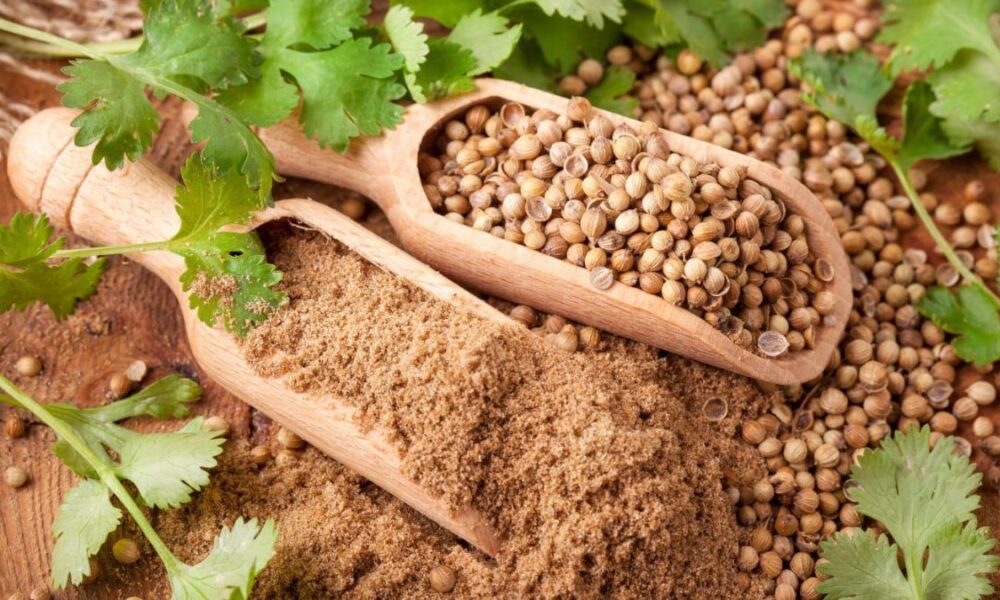
Koriandri, widely recognized as coriander or cilantro, is a versatile herb appreciated both for its flavor and health benefits. Its fresh leaves and aromatic seeds are staples in kitchens across the globe, while its medicinal properties have been valued for centuries. From improving digestion to enhancing immunity, koriandri offers multiple benefits. In this guide, we will delve into its nutritional profile, culinary applications, health advantages, and practical ways to include it in your diet.
Understanding Koriandri
Koriandri (Coriandrum sativum) is an annual herb in the parsley family. Native to regions of Southern Europe, North Africa, and Western Asia, it has become a global culinary essential.
-
Leaves: Known for their fresh, citrus-like flavor, leaves are used as garnishes, in salads, or blended into sauces.
-
Seeds: The seeds have a warm, nutty aroma and are usually dried and ground into spices for cooking.
This dual usage makes a unique herb with both culinary and medicinal significance.
Nutritional Benefits of Koriandri
Koriandri is more than just a flavor enhancer; it’s packed with nutrients:
-
Vitamins: It provides vitamins A, C, and K, crucial for immune function, eye health, and blood clotting.
-
Minerals: Potassium, calcium, iron, and magnesium support heart health, bone strength, and metabolism.
-
Antioxidants: Its antioxidant content helps protect cells from damage and supports overall wellness.
-
Dietary Fiber: Promotes digestive health and maintains a balanced gut microbiome.
Health Benefits of Koriandri
Adding to your diet can positively impact your health in various ways:
1. Digestive Aid
Koriandri stimulates digestive enzymes, easing bloating, gas, and indigestion. Coriander tea or simply chewing a few seeds can improve gut function.
2. Heart Health
The potassium and antioxidant compounds in can help manage blood pressure and cholesterol, supporting cardiovascular wellness.
3. Anti-Inflammatory Properties
Koriandri contains bioactive compounds that may reduce inflammation, potentially benefiting conditions like arthritis and joint pain.
4. Immune System Support
Rich in antioxidants and vitamins, koriandri strengthens immunity, helping the body defend against infections and illnesses.
5. Detoxifying Effects
Coriander helps remove toxins and heavy metals from the body, contributing to overall detoxification and wellness.
Culinary Uses of Koriandri
Koriandri enhances both flavor and nutrition in dishes:
-
Fresh Leaves: Used as garnishes, in salads, soups, and dips.
-
Seeds: Ground into spice powders, added to curries, stews, or baked goods.
-
Coriander Oil: Extracted from seeds, this oil can be used in cooking or as a natural remedy.
Koriandri pairs well with garlic, chili, cumin, turmeric, and lemon, making it a versatile ingredient for global cuisines.
How to Grow Koriandri at Home
Growing koriandri is straightforward and rewarding:
-
Climate: Prefers mild to moderate temperatures.
-
Soil: Needs well-drained, fertile soil.
-
Planting: Sow seeds ¼ inch deep and keep the soil moist.
-
Harvesting: Leaves can be harvested in 3–4 weeks; seeds in 90 days.
Homegrown koriandri ensures fresh leaves and seeds are always on hand, maximizing flavor and nutrient content.
Practical Tips for Using Koriandri
-
Storage: Refrigerate fresh leaves in airtight containers for up to a week. Store seeds in a cool, dry place for long shelf life.
-
Cooking Tip: Add fresh leaves at the end of cooking for maximum flavor; seeds can be added earlier for a richer aroma.
-
Flavor Pairing: Works best with cumin, garlic, turmeric, lemon, and chili.
Koriandri in Traditional and Modern Medicine
Historically, koriandri has been used in Ayurvedic and traditional medicine:
-
Reduces fever and inflammation
-
Supports healthy blood sugar levels
-
Promotes skin health
-
Aids in stress and anxiety management
Modern research continues to explore its therapeutic potential, especially in digestive, cardiovascular, and metabolic health.
Conclusion
Koriandri is a remarkable herb that combines culinary delight with impressive health benefits. Its leaves and seeds can be incorporated into various dishes, teas, and remedies, promoting digestion, immunity, and overall wellness. Whether fresh, dried, or in oil form, koriandri is a versatile addition to any kitchen and a natural way to support a healthier lifestyle. By embracing this herb, you can enjoy delicious meals while enhancing your well-being naturally.
FAQs About Koriandri
1. What is the difference between coriander and cilantro?
Cilantro refers to the fresh leaves of the plant, while coriander typically refers to the seeds. Both come from the same plant, koriandri (Coriandrum sativum).
2. Can koriandri help with digestion?
Yes, koriandri stimulates digestive enzymes and can reduce bloating, gas, and indigestion.
3. How do I store koriandri seeds?
Keep seeds in an airtight container in a cool, dry place. This preserves their flavor and potency.
4. Are there any side effects of koriandri?
Koriandri is safe for most people in normal culinary amounts. Rarely, it may cause allergic reactions.
5. Can I grow koriandri at home?
Absolutely. It grows well in pots or garden beds with adequate sunlight and well-drained soil.
