


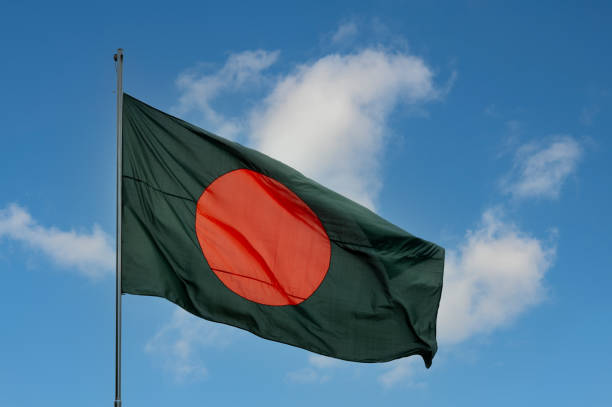
Bangladesh is more than just a country on the map — it is a living story of determination, resilience, and progress. Located in the heart of South Asia, Bangladesh has evolved into one of the region’s fastest-growing economies, a nation known for its rich culture, natural beauty, and human potential. From the bustling streets of Dhaka to the tranquil tea gardens of Sylhet, Bangladesh reflects a perfect balance between tradition and modernity.
In 2025, Bangladesh continues to stand out as a model for developing nations, showing how innovation, education, and sustainability can reshape an entire country.
The Geography and Natural Wonders of Bangladesh
Bangladesh lies on the fertile delta formed by three of Asia’s mightiest rivers — the Ganges (Padma), Brahmaputra (Jamuna), and Meghna. These waterways define the landscape, economy, and life of the people. Despite being one of the most densely populated countries in the world, Bangladesh is blessed with breathtaking scenery and ecological diversity.
The Sundarbans — Jewel of the South
The Sundarbans Mangrove Forest, shared between Bangladesh and India, is one of the most famous natural attractions in the country. This UNESCO World Heritage Site is home to the endangered Royal Bengal Tiger and acts as a natural shield against cyclones. It is also a global symbol of climate resilience, with Bangladesh actively protecting its biodiversity through sustainable conservation programs.
Hill Tracts and Tea Valleys
The Chittagong Hill Tracts in the southeast are dotted with rolling green hills, lakes, and tribal villages. In contrast, Sylhet, known as the “Land of Two Leaves and a Bud,” is covered with vast tea gardens and sparkling waterfalls. Together, these regions make Bangladesh a unique mix of plains, rivers, and highlands.
Rivers and Rural Life
Rivers are at the heart of Bangladeshi life. Thousands of boats glide through waterways, connecting villages and towns. The riverine culture influences everything — from transportation to festivals to the country’s famous fish-based cuisine.
A Deep Look into the History of Bangladesh
The roots of Bangladesh stretch back thousands of years. Ancient Bengal was home to rich civilizations and influential empires like the Maurya, Gupta, and Pala dynasties. The area was known for trade, education, and art long before colonial times.
Colonial Period and Partition
British rule began in the 18th century, reshaping Bengal’s economy and society. When India was partitioned in 1947, East Bengal became East Pakistan, though the people of this region soon realized their cultural and linguistic identity was being suppressed.
The Liberation War of 1971
After decades of struggle, discrimination, and political unrest, Bangladesh declared independence in 1971. The Liberation War lasted nine months and ended with victory on December 16, 1971 — now celebrated as Victory Day. The birth of Bangladesh marked not only a new nation but also a triumph of language, culture, and identity.
Bangladesh in the 21st Century
Today’s Bangladesh is a remarkable success story. Once known for poverty and natural disasters, it has become one of Asia’s fastest-growing economies. According to 2025 economic projections, Bangladesh’s GDP growth remains steady, with expanding exports, strong remittances, and technological innovation.
Economic Transformation
Bangladesh’s transformation is largely driven by the ready-made garment (RMG) industry, which employs over 4 million people — most of them women. This sector has turned Bangladesh into the world’s second-largest clothing exporter after China. The government has also invested in new industries like pharmaceuticals, IT, and renewable energy to diversify the economy.
Digital Bangladesh and Smart Vision 2041
The government’s “Digital Bangladesh” initiative, launched in 2009, has transformed how people access education, banking, and healthcare. In 2025, the country is focusing on “Smart Bangladesh 2041”, aiming to build a tech-driven economy with digital governance, artificial intelligence, and green energy.
Infrastructure and Connectivity
Bangladesh has completed several mega projects that have boosted national pride and connectivity:
-
Padma Bridge: A landmark connecting the country’s southwest with the capital, Dhaka.
-
Dhaka Metro Rail: Reducing traffic and pollution in one of the world’s busiest cities.
-
Bangabandhu Tunnel: South Asia’s first underwater tunnel, symbolizing modern engineering.
These projects reflect Bangladesh’s journey from a developing country to a middle-income nation.
Culture and Heritage of Bangladesh
Bangladesh’s culture is colorful, diverse, and deeply rooted in its traditions. It blends influences from Hindu, Buddhist, and Islamic civilizations, creating a rich and inclusive cultural identity.
Language and Literature
The Bengali language, or Bangla, is central to the nation’s identity. The Language Movement of 1952, in which students sacrificed their lives to preserve their mother tongue, is commemorated every year on International Mother Language Day (February 21). Bengali literature boasts global icons such as Rabindranath Tagore, the first Asian Nobel laureate, and Kazi Nazrul Islam, the national poet of Bangladesh.
Art, Music, and Crafts
Traditional arts such as Nakshi Kantha (embroidered quilts), pottery, and folk painting continue to thrive alongside modern art galleries in Dhaka. Music plays an essential role in social life — from the mystical Baul songs to Tagore’s lyrical compositions and contemporary fusion genres.
Festivals and Food
Bangladesh is known for its joyful celebrations.
-
Pohela Boishakh (Bengali New Year) brings colorful parades and fairs.
-
Eid-ul-Fitr and Durga Puja reflect the nation’s religious harmony.
Bangladeshi cuisine is a feast for the senses — rich curries, aromatic biryanis, fresh fish, lentils, and sweet treats like Rasgulla and Mishti Doi. Every meal tells a story of heritage and hospitality.
Tourism in Bangladesh: Hidden Treasures Await
Although tourism is still developing, Bangladesh offers immense potential for travelers seeking authentic experiences.
Top Travel Destinations
-
Cox’s Bazar: The world’s longest natural sea beach.
-
Saint Martin’s Island: A coral paradise in the Bay of Bengal.
-
Sundarbans National Park: For wildlife enthusiasts and eco-travelers.
-
Srimangal: Famous for tea gardens, lemon orchards, and rainforests.
-
Rangamati and Bandarban: For trekking, boating, and learning about indigenous cultures.
Eco-Tourism and Heritage Travel
Bangladesh promotes eco-tourism, encouraging sustainable travel practices that protect nature and empower local communities. UNESCO sites like Bagerhat’s Sixty Dome Mosque and Mahasthangarh showcase ancient architecture and spirituality.
Education, Youth, and Innovation
The youth of Bangladesh are its greatest strength. Over 60% of the population is under 35, making education and digital literacy top priorities.
Expanding Education
Literacy rates have significantly improved, with an increasing number of girls attending school. Universities such as Dhaka University, BUET, and BRAC University are producing skilled professionals in engineering, medicine, and business.
Startup Ecosystem and Entrepreneurship
Bangladesh’s startup ecosystem is booming. Apps like Pathao, Foodpanda Bangladesh, and bKash are changing how people move, eat, and transact. In 2025, government-backed innovation hubs are helping young entrepreneurs expand globally.
Challenges Facing Bangladesh
Despite its achievements, Bangladesh faces several challenges that require careful management.
Climate Change
As one of the world’s most climate-vulnerable countries, Bangladesh regularly experiences floods and cyclones. However, it has become a leader in climate adaptation — building resilient homes, improving disaster management, and investing in solar energy.
Urbanization and Population Density
Dhaka’s rapid growth has led to housing shortages and pollution. Smart city projects and decentralized economic planning are part of the solution to create sustainable urban living.
Corruption and Governance
Improving transparency remains a national goal. The government and civil society are working together to strengthen institutions and ensure accountability.
The Future of Bangladesh: Vision 2041
Bangladesh aims to become a fully developed, high-income nation by 2041. The plan emphasizes digital transformation, renewable energy, women’s empowerment, and sustainability.
Green Growth and Renewable Energy
Solar power is transforming rural communities by providing clean, affordable electricity. The government is also investing in wind energy and electric vehicles to reduce carbon emissions.
Women’s Empowerment
Bangladesh has made impressive progress in women’s rights. From garment factories to parliament, women play key roles in shaping the nation’s development. Female entrepreneurs are now leading startups and social enterprises across the country.
Global Partnerships
Bangladesh maintains strong diplomatic and trade relations with countries in Asia, Europe, and North America. Its peacekeeping missions with the United Nations further strengthen its global reputation as a nation of peace and cooperation.
Why Bangladesh Deserves Global Recognition
Bangladesh’s journey from a war-torn nation to a dynamic, forward-looking country is nothing short of inspiring. It represents hope for other developing countries — proving that resilience, education, and innovation can overcome any obstacle.
From its thriving cities to its serene countryside, Bangladesh continues to redefine itself every year. The nation’s growth is not just economic — it’s social, cultural, and environmental. As the world watches, Bangladesh stands ready to lead South Asia into a new era of sustainability and progress.
Conclusion
Bangladesh is a story of hope and human spirit. It’s a nation that values its heritage while embracing the future with courage and creativity. Whether through its booming economy, cultural richness, or green initiatives, Bangladesh is setting an example for the world.
In 2025 and beyond, Bangladesh’s vision remains clear — a smarter, sustainable, and more inclusive nation that celebrates its past while building a better tomorrow.
