


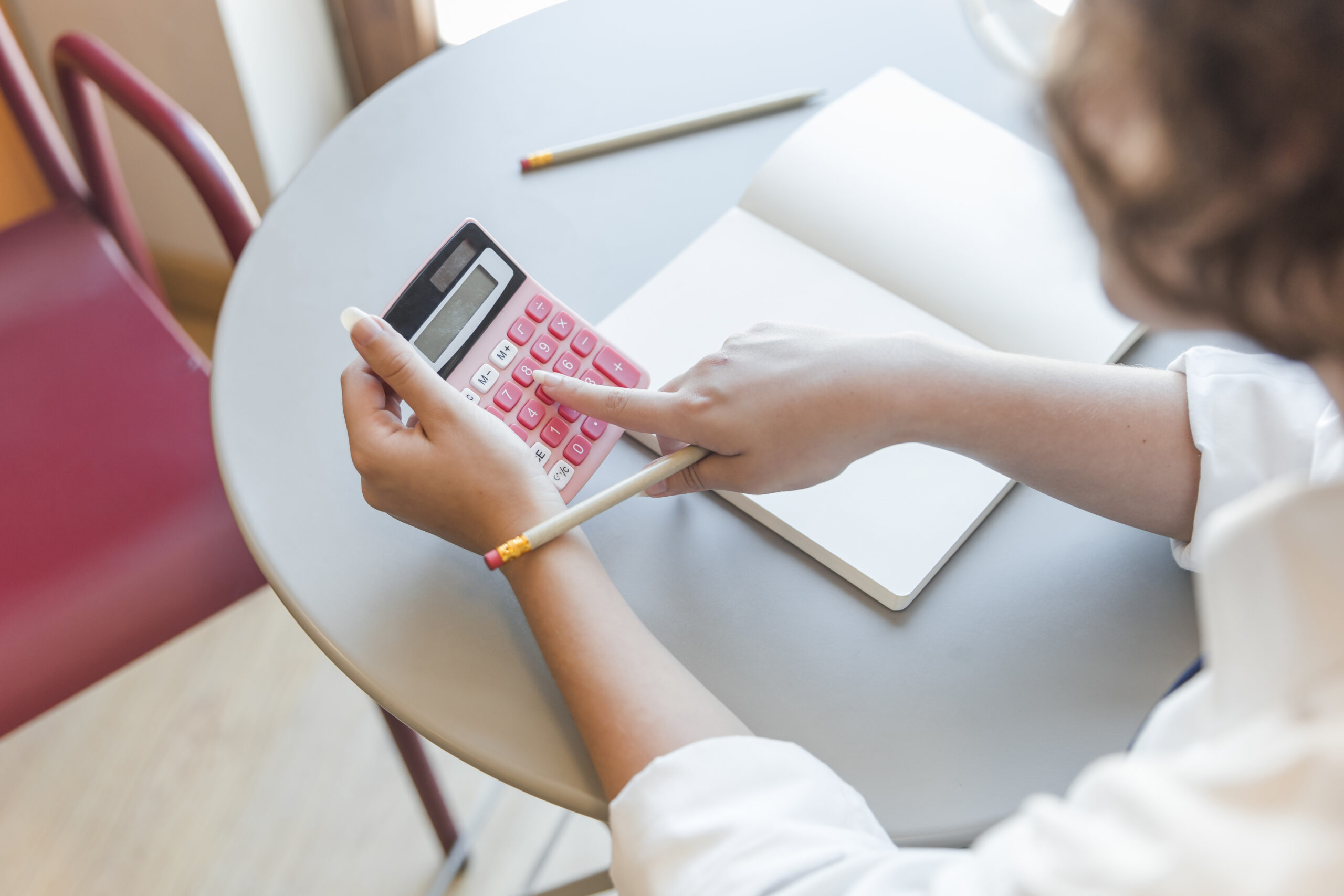
Percentages are used everywhere, from school grades to shopping discounts and financial planning. They help us understand numbers in a meaningful way and make informed decisions. A percentage represents a part of a whole, expressed as a fraction of 100. Knowing how to calculate percentages makes everyday tasks easier and ensures accuracy in situations involving numbers.
To calculate percentages manually, you need two numbers: the part and the total. Divide the part by the total and multiply the result by 100. For example, if you scored 42 out of 50 on a test, dividing 42 by 50 gives 0.84, and multiplying by 100 gives 84 percent. This formula works in many situations, from academic performance to financial calculations. Practicing manual calculations helps you understand the logic behind percentages and increases confidence when working with numbers.
Technology has made it simple to calculate percentages quickly. Get percentage online tools allow you to enter your numbers and instantly see the results without performing the calculation manually. Students often use these tools for homework and exam practice, while professionals rely on them for budgeting, sales analysis, or other financial calculations. Using an online tool reduces errors and saves time, especially when dealing with large or complex numbers.
Estimating percentages mentally is another valuable skill. Mental calculations are useful when shopping, splitting bills, or checking discounts. For example, if an item is 30 percent off, you can approximate the discount by taking 10 percent first and then multiplying that by three. Rounding numbers before performing calculations can also make estimation faster and simpler. Developing these skills allows you to handle percentages efficiently without relying solely on calculators.
In education, percentages are essential for evaluating performance. Teachers convert raw scores into percentages to assign grades, and students use percentages to track their learning progress. Knowing how to calculate percentages helps identify subjects that need improvement and plan study strategies effectively. Percentages are also important in personal finance. Budgeting, tracking expenses, and planning savings all require understanding percentages. Mastering these calculations ensures better decision-making and financial responsibility.
In business, percentages are widely used to evaluate trends, measure growth, and analyze customer behavior. Companies calculate percentages to compare results over time, assess performance, and make data-driven decisions. Employees who understand percentages can interpret reports accurately and contribute to planning and strategy. Even in daily life, percentages appear in statistics, offers, discounts, and surveys. Understanding how to calculate and interpret percentages is a valuable skill for both personal and professional purposes.
Online tools make working with percentages even more convenient. They allow fast and accurate calculations, which is especially useful for students, professionals, or anyone handling numbers frequently. By combining your knowledge of manual calculation with a get percentage online tool, you can ensure accuracy and efficiency in all your percentage-related tasks.
In conclusion, percentages are a crucial part of daily life. They help us understand numbers, make informed decisions, and plan effectively in school, finance, and business. Learning manual methods while using reliable online tools ensures that you can calculate percentages accurately and confidently in any situation.
