


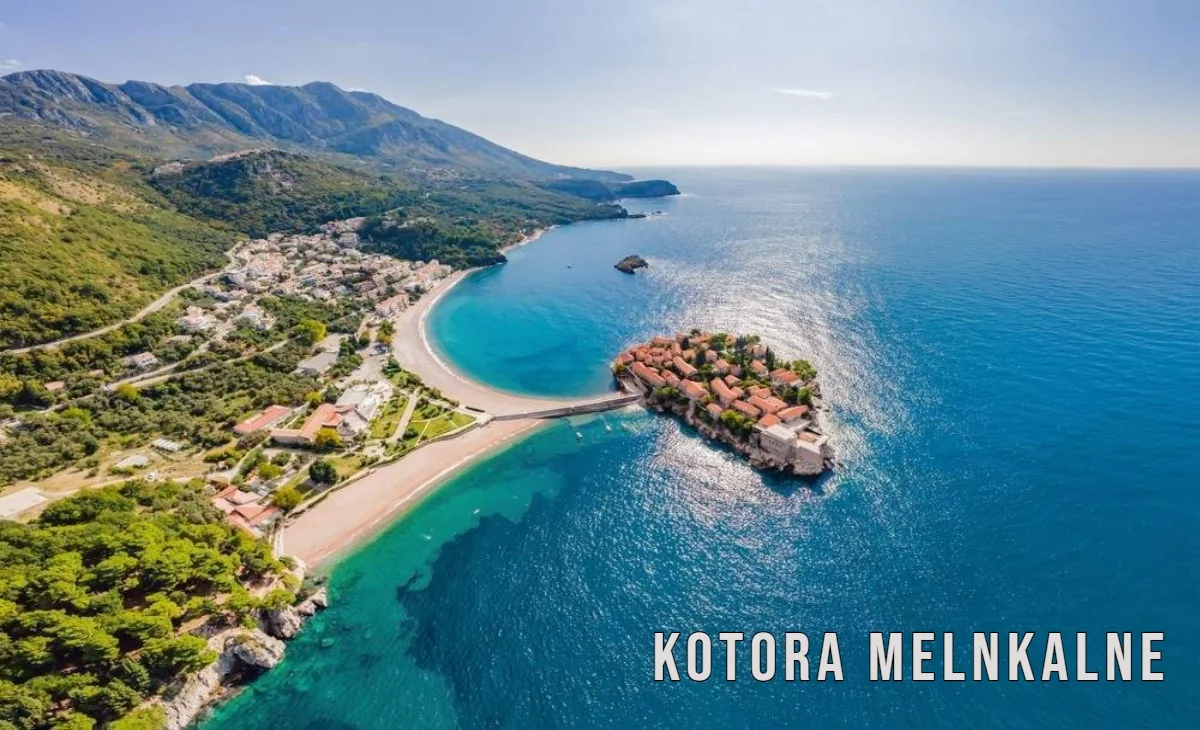
Kotora melnkalne is an evocative phrase that has emerged in travel and cultural circles as a symbolic and imaginative name for the historic town of Kotor, Montenegro — a UNESCO World Heritage coastal town nestled where dramatic mountains meet serene Adriatic waters. Although this term is not officially used on maps or by locals, it reflects the poetic spirit of the region, blending “Kotora” as a lyrical version of Kotor and “melnkalne” — a word inspired by meanings of “dark mountain” — to suggest the deep contrast between coastal brightness and rugged peaks.
Kotora melnkalne is increasingly used in narrative travel content to capture the emotional and cultural richness of Kotor — far beyond simple sightseeing. This article dives deep into what makes this place truly unforgettable.
The Meaning and Origins of Kotora Melnkalne
A Poetic Lens on a Real Town
At its core, Kotora melnkalne isn’t a formal location — it’s a literary or symbolic expression that invites travelers and readers to perceive Kotor as something mythical or spiritual, emphasizing the contrast of the “dark mountains” against crystal-blue sea. This fusion captures a mood of ancient mystery and deep natural harmony.
Origin narratives suggest the term became popular through online storytelling and artistic interpretation rather than historical use. Writers often employ phrases like this to make travel content resonate emotionally. However, when you visit, what you experience is the very real town of Kotor and its surroundings, which match this poetic imagery in spectacular ways.
Where Kotora Melnkalne Is Located
Geography and Landscape
Kotora melnkalne refers to the region centered around Kotor, positioned on the southeastern shores of the Bay of Kotor — a long, narrow inlet on Montenegro’s Adriatic coast. While the bay is often mistaken for a fjord, it is technically a ria, or a submerged river valley, surrounded by steep limestone cliffs and dense mountains that rise abruptly from the water’s edge.
This dramatic setting creates unforgettable scenery: emerald waters reflecting jagged peaks, hidden coves framed by lush green forests, and winding mountain roads that reveal ever-more spectacular views as you explore.
A Walk Through History: Kotora Melnkalne’s Cultural Roots
From Ancient Times to the Present
The story of Kotora melnkalne is essentially the story of Kotor — a place shaped by centuries of civilizations. Settled in Roman times, later strengthened under Byzantine influence, and then flourishing during Venetian rule, this region became one of the Adriatic’s most strategic maritime hubs.
This rich history is written into its architecture:
-
Old Town walls and fortifications that stretch for kilometers.
-
St. Tryphon’s Cathedral (12th century), an excellent example of Romanesque architecture in the Balkans.
-
Byzantine-era churches alongside Baroque and Gothic influences.
Walking through the Old Town feels like stepping into a living museum — every stone and alleyway tells a chapter of the past.
Natural Wonders Around Kotora Melnkalne
The Bay of Kotor: Nature’s Masterpiece
The Bay of Kotor remains one of Europe’s most striking natural harbors. With water that mirrors surrounding mountains and sheltered coves ideal for swimming and boating, the bay invites exploration and relaxation alike.
Outdoor Activities and Adventures
For outdoor enthusiasts, Kotora melnkalne offers:
-
Hiking to San Giovanni Fortress: A climb of more than 1,300 stone steps rewards visitors with expansive views of the bay and town.
-
Kayaking and boat trips: Explore hidden beaches, nearby islands, and quiet coves at your own pace.
-
Pine forest trails and eco-walks: From olive groves to mountain ridges, many paths offer serene backdrops and wildlife watching.
Culture and Local Life in Kotora Melnkalne
Traditions, Festivals, and Hospitality
The cultural fabric of Kotora melnkalne is woven with rich traditions. Festivals such as Boka Night and the KotorArt music and theatre festival infuse the town with energy, music, and artistic expression during summer months.
Family-run guesthouses, open-air cafés, and artisan markets preserve authentic daily rhythms. Local artisans produce traditional crafts, while musicians and storytellers keep folk traditions alive.
Food and Drink: The Taste of Kotora Melnkalne
A Culinary Blend of Sea and Mountain
The cuisine reflects the coastal location and Balkan heritage:
-
Black risotto (with cuttlefish ink) — a local favorite.
-
Fresh Adriatic seafood: grilled squid, mussels, sea bass.
-
Mountain-influenced dishes like Njeguški pršut and local cheeses.
-
Regional wines such as Vranac and Krstač enhance every meal.
Dining here isn’t just about food — it’s a way to connect with local culture and daily life.
Travel Tips for Visiting Kotora Melnkalne in 2025
Best Time to Visit
The ideal times to visit are May-June and September-October, offering pleasant weather and fewer crowds, especially compared to the peak summer months when cruise ships arrive.
How to Get There
-
Tivat Airport is the closest international entry point, about 7–10 km from Kotor.
-
Podgorica Airport offers more international routes but is farther away.
Public transportation, taxis, and car rentals make exploring the bay region convenient. Inside the Old Town, walking is the best way to immerse yourself in its charm.
Conclusion: Why Kotora Melnkalne Captivates Travelers
Kotora melnkalne is more than a phrase — it’s a concept that captures the essence of Kotor, Montenegro: its history, natural beauty, cultural depth, and slow-paced yet meaningful travel experiences. Whether you’re navigating ancient stone streets, sailing through glass-like waters, or savoring a local meal with a view of emerald mountains, this destination inspires reflection, adventure, and lasting memories. With its blend of authentic heritage and scenic splendor, Kotora melnkalne offers a travel experience that resonates well beyond the journey itself.
Frequently Asked Questions (FAQs)
1. What exactly does Kotora Melnkalne mean?
Kotora melnkalne is a poetic or symbolic name used to describe the historic town of Kotor, Montenegro, and its dreamy setting where mountains meet the Adriatic.
2. Is Kotora Melnkalne an actual place on the map?
No — it isn’t an official geographic name but refers to the real town of Kotor, known for its medieval Old Town and stunning bay.
3. Where is Kotora Melnkalne located?
It corresponds to Kotor, located in the southwestern part of Montenegro on the Bay of Kotor, along the Adriatic Coast.
4. What is the best time of year to visit?
Late spring and early autumn are ideal — offering pleasant temperatures and fewer tourists compared to high summer.
5. What are the must-see experiences in Kotora Melnkalne?
Highlights include exploring the Old Town’s historic walls, hiking to San Giovanni Fortress, boating on the Bay of Kotor, and sampling local Mediterranean-Balkan cuisine.
