


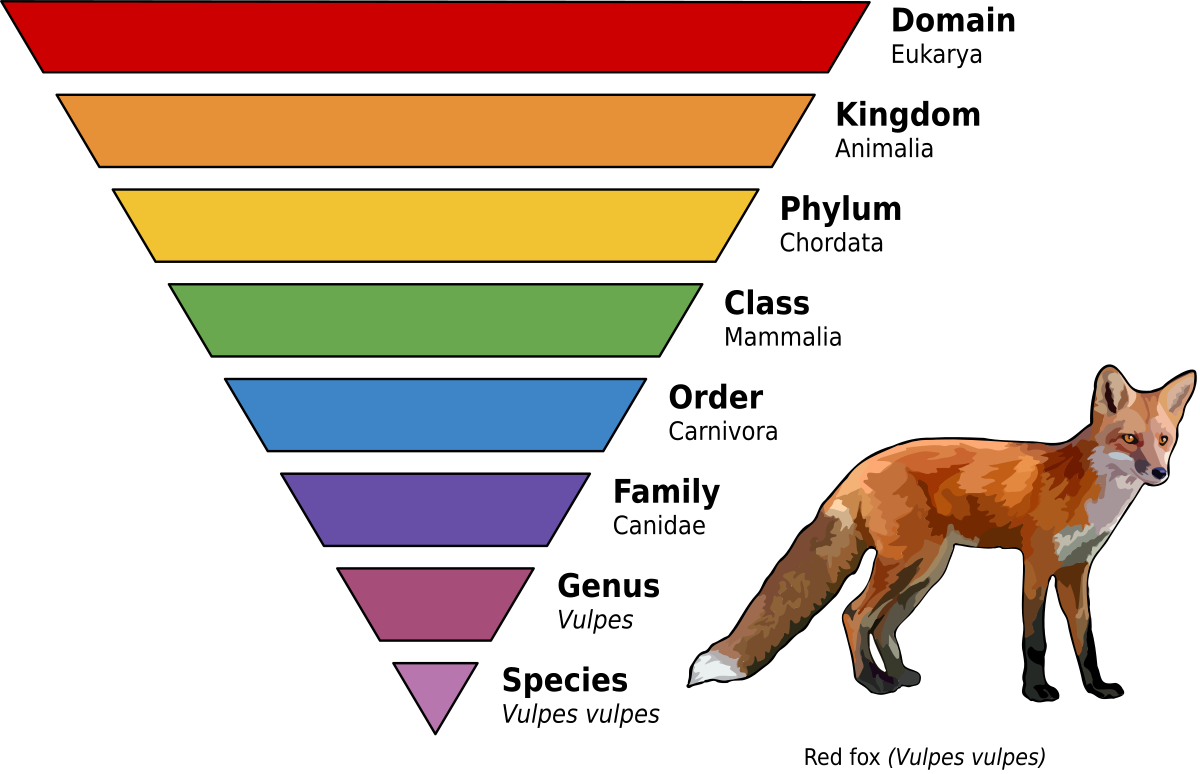
The order of species classification is a core concept in biology that enables scientists, researchers, and students to systematically organize all known forms of life on Earth. With millions of different organisms—from microscopic bacteria to towering trees and complex mammals—understanding how life is categorized helps us study relationships, evolution, ecology, and more. This article breaks down the order of species classification into its essential components, explains how scientists use it today, and highlights examples that make the system practical and meaningful.
What Does “Order of Species Classification” Mean?
At its core, the order of species classification refers to the structured system used to group living organisms based on shared traits and ancestry. This framework is part of biological taxonomy, a discipline that names, defines, and places organisms into categories that reflect both similarities and evolutionary relationships.
The purpose of this order is to create a global scientific language that enables clear identification of organisms, supports biological research, and illustrates how diverse life forms connect through evolutionary history.
Why the Order of Species Classification Is Important
The order of species classification plays a vital role in multiple aspects of science and everyday life:
-
Universal Communication: Scientists around the world rely on the same classification system to avoid confusion.
-
Evolutionary Insight: It reveals ancestral links and shared history between species.
-
Conservation Efforts: Understanding classification helps identify endangered species and set protection priorities.
-
Ecological Research: Classifying species aids in studying ecosystems, food webs, and environmental impact.
-
Medical and Agricultural Advances: Identifying species and their traits can lead to new medicines and improved crops.
Without a structured order of classification, the study of biology would be chaotic and disconnected.
The Seven Main Levels in the Order of Species Classification
The classical order of species classification uses a hierarchical structure, starting from the broadest groups and narrowing down to the most specific. These levels are:
-
Kingdom – The largest category grouping organisms based on major characteristics.
-
Phylum – Subdivides each kingdom based on basic structural traits.
-
Class – Further divides phyla into groups with more defined similarities.
-
Order – Refines classes into smaller sets of organisms with distinct features.
-
Family – Groups similar genera (plural of genus).
-
Genus – A group of very closely related species.
-
Species – The most precise level, defining organisms capable of interbreeding and producing fertile offspring.
Each level in the order of classification represents a checkpoint in evolutionary similarity—moving from broad to specific.
Modern Classification: Beyond Just Hierarchy
While the hierarchical order of species classification remains the foundation of taxonomy, modern biology has introduced more advanced approaches:
Genetic and Molecular Data
Advances in DNA technology have transformed classification. Scientists now compare genetic material to determine relationships more accurately than with physical traits alone. This has led to reclassification of many organisms, reflecting evolutionary history more precisely.
Cladistics
Cladistics groups species by shared evolutionary ancestors and branching patterns. This method emphasizes clades, which are groups of organisms that include a common ancestor and all its descendants. Cladistics enriches the traditional order of classification by visualizing evolutionary paths as “family trees.”
Phenetic Classification
Also known as numerical taxonomy, phenetics groups species based on overall physical similarity. While less focused on evolutionary ancestry, this method helps when genetic data isn’t available.
These modern tools complement the traditional order of species classification and refine our understanding of biodiversity.
Typical Examples of the Order of Species Classification
To illustrate how the order of classification works in practice, let’s look at a few familiar organisms:
Example 1: Domestic Cat (Felis catus)
-
Kingdom: Animalia
-
Phylum: Chordata
-
Class: Mammalia
-
Order: Carnivora
-
Family: Felidae
-
Genus: Felis
-
Species: Felis catus
Example 2: Common Sunflower (Helianthus annuus)
-
Kingdom: Plantae
-
Phylum: Angiosperms
-
Class: Eudicots
-
Order: Asterales
-
Family: Asteraceae
-
Genus: Helianthus
-
Species: Helianthus annuus
Example 3: Human (Homo sapiens)
-
Kingdom: Animalia
-
Phylum: Chordata
-
Class: Mammalia
-
Order: Primates
-
Family: Hominidae
-
Genus: Homo
-
Species: Homo sapiens
These examples show how the order of species classification places organisms in context with others that share certain traits, illustrating both their uniqueness and relatedness.
How Scientists Determine Classification
Deciding where a species belongs in the order of classification involves extensive study. Here’s how classification decisions are typically made:
Physical Characteristics
Traditionally, organisms were classified based on observable features like anatomy, symmetry, reproductive organs, and more. For many organisms, these characteristics still serve as an initial basis for classification.
Genetic Analysis
Modern classification heavily uses DNA sequencing to compare genetic codes. Organisms with similar DNA are placed closer together in the classification hierarchy.
Behavioral and Ecological Traits
Species that share behaviors, habitats, or ecological roles sometimes influence classification, especially when combined with genetic data.
These methods together ensure that the order of species classification reflects both physical and evolutionary realities.
Challenges in the Order of Species Classification
Although the order of species classification provides crucial structure, it also faces challenges:
-
New Discoveries: Scientists are still discovering thousands of new species every year, especially in rainforests and oceans.
-
Cryptic Species: Some species look identical externally but have significant genetic differences.
-
Hybridization: When two species interbreed, classification becomes less clear.
-
Changing Definitions: As technologies evolve, classification rules and categories are updated.
Despite these challenges, ongoing research makes the order of species classification more precise and meaningful over time.
The Future of Species Classification
With emerging technologies like AI‑assisted genetic mapping, big data analytics, and automated species recognition, the order of species classification is evolving rapidly. These tools are helping scientists:
-
Discover relationships previously unseen
-
Predict evolutionary trends
-
Detect species using environmental DNA (eDNA)
-
Monitor biodiversity more efficiently
The future promises a richer and more dynamic classification system that captures the complexity of life.
Conclusion
The order of species classification is a vital scientific system that brings structure to the natural world’s incredible diversity. It enables scientists to name, organize, and compare organisms in a consistent and universal way. From its early roots with Linnaeus to modern genetic techniques, this order has continued to evolve and adapt, strengthening our understanding of life on Earth. Whether you are a student, researcher, or nature enthusiast, appreciating how species are classified enriches your view of biology, ecosystems, and evolution. By following the order of species classification, we gain insight not just into what makes species unique—but also how all life is interconnected.
FAQs About the Order of Species Classification
1. What is the “order” in the order of species classification?
The “order” is the fourth major rank in the hierarchical classification system, positioned between class and family, grouping organisms with shared traits.
2. How does genetic sequencing impact classification?
Genetic sequencing allows scientists to compare DNA sequences, revealing evolutionary relationships that may not be visible through physical traits alone.
3. Why is the order of species classification important in conservation?
It helps identify species accurately, prioritize endangered species protection, and understand biodiversity patterns critical for effective conservation strategies.
4. Can a species’ classification change over time?
Yes—new scientific evidence, especially from genetics, often leads to updated classification and reclassification of species.
5. How many species are currently classified?
While estimates vary, scientists have classified roughly 1.5–2 million species—but millions more are believed to exist and await discovery.
