


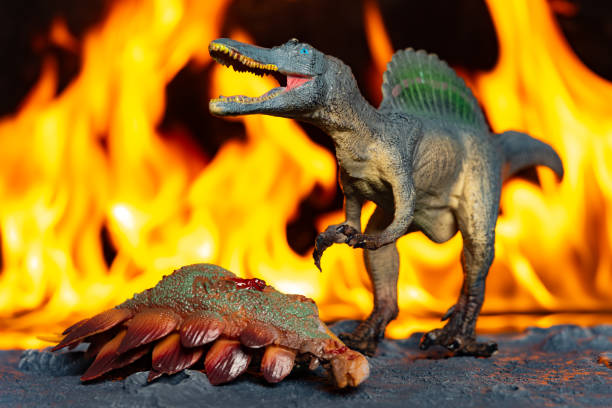
When you hear the name Hastovenator, you might expect to read about a fossil‑shocked paleontologist or a newly unearthed prehistoric beast. Instead, Hastovenator exists in the realm of fiction — a terrifying, imaginative dinosaur birthed by creative minds, not by the Earth’s crust. As a fictional creature, Hathovenator captivates game players, speculative‑biology fans, and horror‑genre enthusiasts alike. This article dives deep into the mythos of Hastovenator: where it comes from, how it’s depicted, and why it fascinates many today.
Origins and Cultural Background of Hastovenator
The earliest mentions of Hastovenator point to creative works rather than scientific journals. Specifically:
-
Hastovenator appears in the indie horror video game BLOOD MALL, where it is presented as the main monstrous threat lurking in the abandoned corridors of a mall.
-
Fan art and community contributions further shaped its visual identity and lore. One depiction on DeviantArt describes Hastovenator as “The Spear Hunter.”
-
In community forums and subreddits, users treat Hastovenator not as a misidentified dinosaur but as a fully fictional creature — a creative exercise blending dinosaur tropes with horror‑game sensibilities. For instance, a Reddit thread in 2025 declares:
“It’s a Triassic dinosaur that creates spears in its mouth that it fires out. I think it’s a really cool concept dinosaur!”
Fans often comment on its Latinized name — “‑venator” evoking classic dinosaur naming conventions — as a clever nod to paleontological naming style.
Because Hastovenator isn’t grounded in real paleontology, it occupies a curious space: fictional beast, horror icon, and canvas for speculative‑biology creativity.
Fictional Anatomy & Abilities of Hastovenator
Based on community lore, fan‑art descriptions, and its portrayal in BLOOD MALL, this is how Hastovenator is imagined to look and behave:
Spear‑Shooting Mouth Mechanism
-
One of the most distinctive features of Hastovenator: its ability to generate keratin‑based quills (or “spears”) internally, which can be ejected from its throat or mouth toward prey or targets.
-
According to lore, a fully grown female’s spear can reach about 1 to 1.3 meters long.
-
The firing mechanism allegedly involves specialized throat muscles that contract to launch the spears — akin to a biological crossbow in a dinosaur’s throat.
Physical Build & Movement
-
Hastovenator is often depicted with a lean but muscular build, legs suited for quick, agile movement, enabling it to stalk and chase prey — or, in the context of the game, terrified players.
-
Its design pulls inspiration from various dinosaur archetypes — some fans note similarities with raptors or spinosaurid‑type dinosaurs in posture and predatory vibe.
Behavior & Role in Fictional Setting
-
In the horror‑game context (BLOOD MALL), Hastovenator operates as a relentless predator — designed to instill fear and uncertainty, striking suddenly with lethal quill‑spears.
-
Community lore sometimes embellishes its behavior: speculations include long‑range ambush attacks, stealth movement in dark corridors, and predatory cunning rather than brute force — making it more terrifying than a simple fang‑and‑claw dinosaur.
Because of this, Hastovenator serves as a horror‑genre monster: part dinosaur, part supernatural predator, wholly fictional but viscerally frightening in narrative.
Why Hastovenator Resonates — Cultural and Creative Appeal
Why do people engage with Hastovenator lore so passionately? There are several reasons:
-
Creative freedom: Because Hastovenator is not real, creators and fans can mold it however they like — inventing anatomy, biology, behavior without scientific constraints. This freedom fuels imaginative storytelling and artwork.
-
Blend of familiarity and novelty: The name and dinosaur‑like features evoke classic dinosaur tropes, but the spear‑shooting quill mouth is novel and unexpected. That mix appeals to fans of both dinosaurs and horror.
-
Horror‑game tension: In the context of a horror game (like BLOOD MALL), a creature that isn’t just a predator but a “spear‑shooter” adds a distinctive threat dynamic, heightening players’ fear and suspense.
Community reactions reflect this:
“I like ‘‑venator’ being used for fictional dinosaurs, much more original than saurus or raptor.”
“It’s a really cool concept dinosaur!”
Given these responses, Hastovenator has carved out a niche in the intersection of speculative biology, horror gaming, and fan‑driven myth‑making.
The Broader Context: Why Fictional Creatures Like Hastovenator Matter
While real dinosaur paleontology progresses rapidly — with about 50 new dinosaur species being named each year. — fictional dinosaurs like Hastovenator occupy a different but still meaningful space. Here’s why:
-
Imaginative experimentation: Fictional creatures allow us to explore “what‑if” scenarios — speculative adaptations, alternative evolutionary paths, or horror‑oriented traits that no real dinosaur had (or we don’t know of).
-
Cultural storytelling: They contribute to creative media (games, literature, art), offering new monsters, myths, and worlds for audiences to enjoy — much like mythical creatures in folklore.
-
Inspiring interest in paleontology and biology: While Hastovenator isn’t real, the fascination with its design may spark curiosity in users to learn more about real dinosaurs and evolution — serving as a gateway to science.
In other words: fictional dinosaurs and real paleontological discoveries exist on different planes — but both can feed our curiosity, creativity, and sense of wonder.
Limitations & The Reality Check: Hastovenator Is Not a Real Dinosaur
It’s important to stress: Hastovenator is purely fictional. There is no scientific literature, fossil record, or peer‑reviewed evidence supporting its existence as a real species. Scholars making dinosaur discoveries continue to describe new species — but none named Hastovenator.
Attempts to treat Hastovenator as a factual dinosaur would risk spreading misinformation. Instead, it’s best understood as part of creative or entertainment media — a fictional construct meant for horror, storytelling, or speculative imagination.
Conclusion
The tale of Hastovenator — the spear‑shooting, mall‑haunting dinosaur — is a testament to human creativity, imagination, and our enduring fascination with prehistoric beasts. Though it doesn’t roam Earth’s fossil record, it thrives in games, fan art, and communal lore. As a fictional dinosaur, Hastovenator blends the familiar thrill of dinosaur predation with horror‑style unpredictability — making it a memorable monster for a modern audience.
Whether you approach it as a horror‑game menace, a piece of speculative biology, or a fun “what‑if” dinosaur concept, Hastovenator showcases how powerful storytelling can be when we let our imaginations run wild.
Frequently Asked Questions (FAQs)
1. Is Hastovenator a real dinosaur species?
Answer: No. Hastovenator is a fictional creature — it does not appear in any scientific literature or fossil records. It was created for a horror video game and fan content.
2. Where did the idea of Hastovenator come from?
Answer: The concept originates from the indie horror video game BLOOD MALL, and was expanded by fan‑art and community contributions to build a “mythos” around the creature.
3. What makes Hastovenator unique compared to real dinosaurs?
Answer: Its signature fictional trait is a mouth/throat mechanism that generates and fires keratin‑based quill spears — a biologically unrealistic but creatively striking predator adaptation.
4. Why do people like Hastovenator despite it being fictional?
Answer: Because it combines familiar dinosaur aesthetics with horror‑game suspense and imaginative biology, making it an exciting monster for games, art, and speculative storytelling.
5. Can Hastovenator inspire interest in real dinosaur science?
Answer: Yes — though it’s fictional, the creature can spark curiosity about real dinosaurs, evolution, and paleontology. For some fans, it may serve as a gateway into learning about actual fossil discoveries and dinosaurs.
