


Introduction
Picture this: you step into your home after a rainy day, shoes caked in mud, your arms juggling bags, keys, and maybe even a wet umbrella. Where do you put everything? If you’re lucky, you’ve got a mudroom—a space that quietly saves the day. Often overlooked in home design, the mudroom isn’t just a transition area; it’s a hardworking hub of organization, cleanliness, and, dare I say, sanity.
In recent years, mudrooms have surged in popularity, with homeowners realizing this “in-between space” can make or break household order. It’s not just about storage; it’s about creating a seamless welcome zone that works as hard as you do. Whether you’ve got a sprawling farmhouse or a city apartment, the principles of a great mudroom can transform how you move through your daily life.
Let’s dive into the world of mudrooms, exploring design ideas, clever storage hacks, and the surprising reasons why this space has become the darling of modern living.
The Mudroom: What Exactly Is It?
A mudroom is essentially a secondary entrance to a home, usually located off the back, side, or garage. Its main purpose? To act as a buffer zone between the outdoors and the indoors. This little area keeps dirt, clutter, and chaos from invading your living space.
Key Characteristics of a Mudroom:
-
A designated spot for shoes, coats, and bags.
-
Flooring that can handle dirt, water, and heavy foot traffic.
-
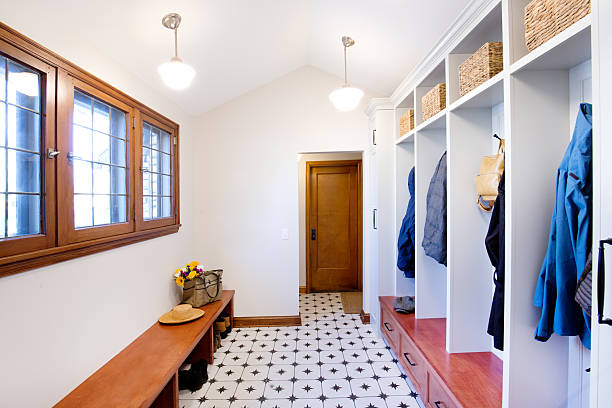
Hooks, cubbies, or lockers for each family member.
-
Optional extras like benches, laundry sinks, or even pet washing stations.
In other words, it’s the Swiss Army knife of your home.
Why Is the Mudroom Making a Comeback?
Decades ago, mudrooms were mostly found in farmhouses or country homes where muddy boots were the norm. But today? Families everywhere—from suburban neighborhoods to urban condos—are craving a space that organizes life’s daily chaos.
Here’s why mudrooms are trending again:
-
Organization on Steroids
No more backpacks tossed on the couch or shoes piled at the door. A mudroom corrals the clutter, making your home feel instantly calmer. -
Stylish Utility
Designers are turning mudrooms into statement areas with patterned tiles, built-in cabinetry, and stylish lighting. Functional doesn’t have to mean boring. -
Pet-Friendly Solutions
Got a furry friend? Mudrooms double as grooming and feeding stations, saving your living room from becoming a hairball headquarters. -
Resale Value Boost
Homebuyers are increasingly looking for homes with practical, organized spaces. A mudroom is like a secret weapon for resale.
Designing the Perfect Mudroom
So, you’re convinced a mudroom is worth it—now what? Creating one doesn’t require a huge budget or sprawling space. It’s all about smart design.
Flooring First
Think durability. Mud, water, and snow aren’t kind to fragile floors. Great options include:
-
Ceramic or porcelain tile (easy to clean, endless styles).
-
Luxury vinyl plank (budget-friendly and water-resistant).
-
Natural stone (adds charm but requires sealing).
Storage That Works
Every mudroom needs layers of storage:
-
Hooks for coats and bags.
-
Cubbies or baskets for shoes and accessories.
-
Lockers if you’ve got kids and want to keep things separate.
-
Benches for that sit-down-and-take-off-your-boots moment.
Lighting Matters
Good lighting isn’t just about aesthetics—it makes finding that missing glove a lot easier. Consider overhead fixtures, sconces, or even motion-sensor lights for hands-free convenience.
Personality Pop
Your mudroom doesn’t need to be sterile. Add wallpaper, bright paint, or quirky artwork. Since it’s a smaller space, you can take risks without overwhelming the rest of your home.
Clever Mudroom Ideas for Every Home
Not everyone has a huge area to work with, but that doesn’t mean you can’t enjoy the perks of a mudroom. Check out these creative approaches:
-
Mini Mudroom Nook: Convert a hallway corner with hooks and a slim bench.
-
Closet Conversion: Transform a coat closet into a micro mudroom by removing doors and adding cubbies.
-
Laundry Room Combo: Merge laundry and mudroom functions for a powerhouse space.
-
Garage Entry Station: Add shelves and hooks just inside the garage door—instant mudroom vibes.
Mudroom Must-Haves: A Checklist
Wondering what should go into your mudroom? Here’s a handy list:
-
Waterproof mats or rugs.
-
Coat hooks and racks.
-
Shoe trays or shelves.
-
A bench with hidden storage.
-
Baskets or bins for seasonal gear.
-
Charging station for electronics.
-
Mirror for last-minute outfit checks.
The Emotional Side of a Mudroom
It might sound dramatic, but a mudroom isn’t just about tidiness—it’s about peace of mind. Walking into a clutter-free, organized space at the end of a long day feels like a small act of self-care. It sets the tone for your home as a sanctuary, not a stress zone.
Think of it this way: the mudroom is like a polite friend who greets you, takes your coat, and ushers you inside without fuss.
Common Mudroom Mistakes (and How to Avoid Them)
Even the best intentions can go sideways. Here are pitfalls to dodge:
-
Too Little Storage: Always plan for more hooks and shelves than you think you’ll need.
-
Ignoring Ventilation: Wet shoes and coats need airflow to dry—don’t skip ventilation solutions.
-
Overcomplicating the Design: Keep it simple. The goal is ease, not perfection.
-
Forgetting Pets: If you’ve got pets, include space for leashes, bowls, or even a built-in shower sprayer.
FAQs About Mudrooms
1. Do I really need a mudroom if I live in a warm climate?
Absolutely! Even if you don’t battle snow, you still deal with dust, rain, and everyday clutter.
2. How much space do I need for a mudroom?
You’d be surprised—a mudroom can be as small as a 3-foot-wide hallway nook.
3. Can I DIY a mudroom?
For sure! With some creativity, basic carpentry, and a weekend project mindset, you can whip up a functional mudroom without hiring a contractor.
4. What’s the cheapest way to create a mudroom?
Start with a bench, some hooks, and baskets. You can always add more features over time.
5. Is a mudroom different from an entryway?
Yes. While both greet you at the door, a mudroom focuses on utility and storage, whereas an entryway leans toward style and first impressions.
Conclusion
At first glance, the mudroom might seem like an afterthought—a mere pit stop between the outdoors and indoors. But in reality, it’s a small space with a massive impact. From reducing clutter to adding resale value, it’s a room that punches way above its weight.
Whether you dream of a Pinterest-worthy design with patterned tiles and sleek lockers, or just a no-nonsense corner with hooks and a mat, the mudroom adapts to your lifestyle. It’s practical, it’s stylish, and it might just become your favorite part of the house.
So, the next time you step inside, imagine being greeted by a space that says, “Don’t worry, I’ve got this.” That’s the quiet magic of the mudroom.
